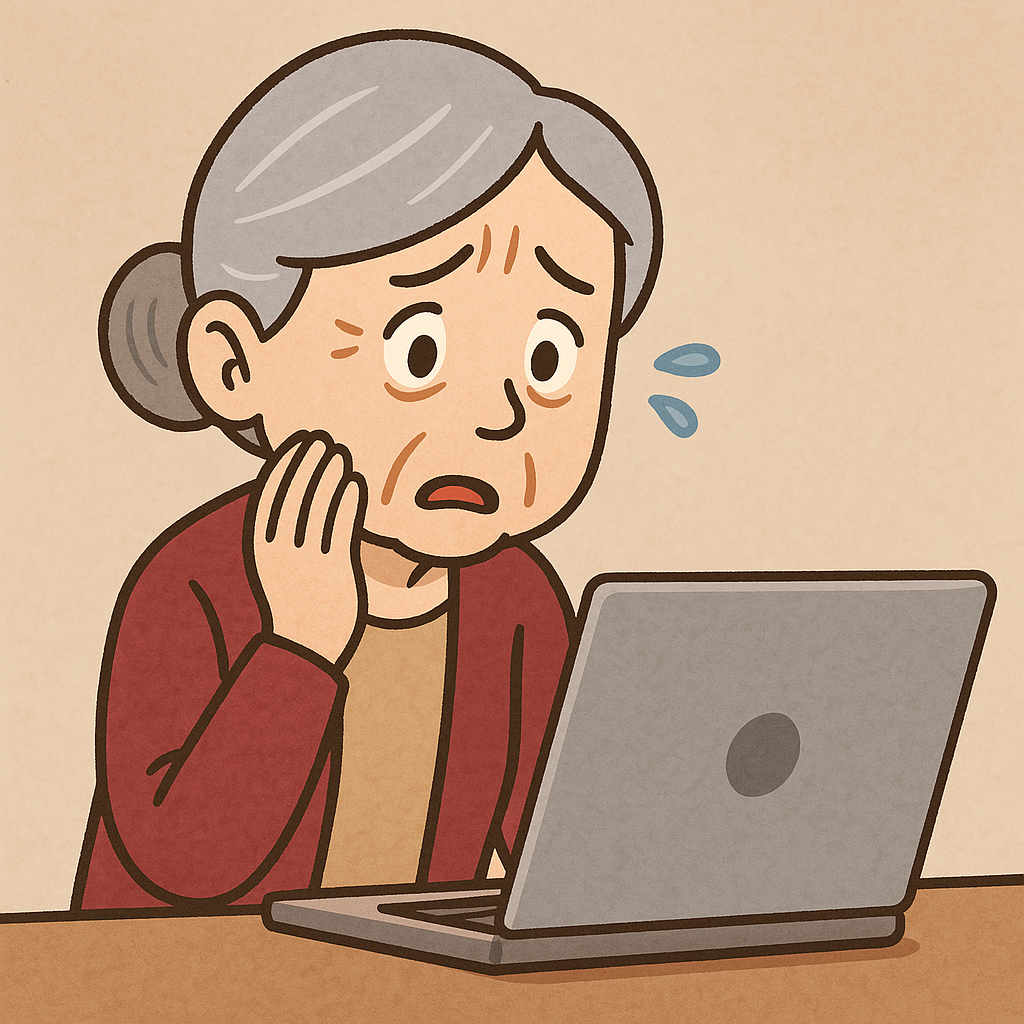
Scammers love targeting older folks for a few key reasons. As we seniors age, we may begin to experience some isolation and less social interaction can make us more vulnerable to fast-talking criminals. This, and the unfortuante reality that some cognitive abilities like memory and quick decision-making skills might not be as sharp as they used to. Thus, making seniors prime targets for slick scam artists.
Technology throws us another curveball. Many seniors didn’t grow up with the internet or smartphones. This unfamiliarity can make some seniors easy prey to bogus emails or sketchy tech support calls. Trying to navigate a new technological world where everything pinging at you might be a scam, is a lot to take in.
Then there’s the trust factor. Many of our more mature generations tend to take people at their word and often hold a deep respect for authority figures. Scammers exploit this tendency, pretending to be officials from government agencies or fake charities needing help.
Let’s not forget the practical angle—many seniors have some savings or retirement funds socked away. To a scammer, that’s as tempting as a piece of cake. Remember, seniors aren’t just targets; they’re prime marks because there’s a belief they might have a nest egg tucked away. Scammers just don’t seem to take into consideration the impact their actions have on others.
Through a couple example methods used like phishing emails or those annoying robocalls offering free vacations that cost you everything, these scams paint a picture of why being alert and educating yourself in these matters is key. Being equipped with the knowledge about these risks may shield you from a world of hurt down the road.
Proactive Prevention
Education is the best line of defense when it comes to protecting youself from scams. Start by focusing on the basics. Always question emails and calls that request personal information or money. If it sounds too urgent or too good to be true, it probably is.
Family members play a crucial role here. Ask younger family members or friends to take a moment to explain what a phishing email looks like. Ask them to show you examples of legitimate versus suspicious emails, so you know what red flags to look out for. Having supportive family members can help save ederly loved ones from potential financial havoc.
Digital literacy skills are super important. The internet isn’t going away, so we all need to be comfortable online. Ask family or friends to show you how to conduct searches safely and identify scam websites. These skills are invaluable for maintaining your personal security. For those that wish to try their hand at online banking, technology itself can also be a friend. Fraud monitoring services keep a watchful eye on accounts to catch any unauthorized transactions before they can snowball into something worse.
Many communities often offer workshops tailored to seniors. These sessions focus on raising awareness about scams and are excellent resources for ongoing education. Participation in these programs is highly encouraged—they’re engaging and can be a great learning experience.
The more we seniors know, the more empowered we’ll be to push back against potential threats. This knowledge builds a protective barrier that keeps scammers at bay.
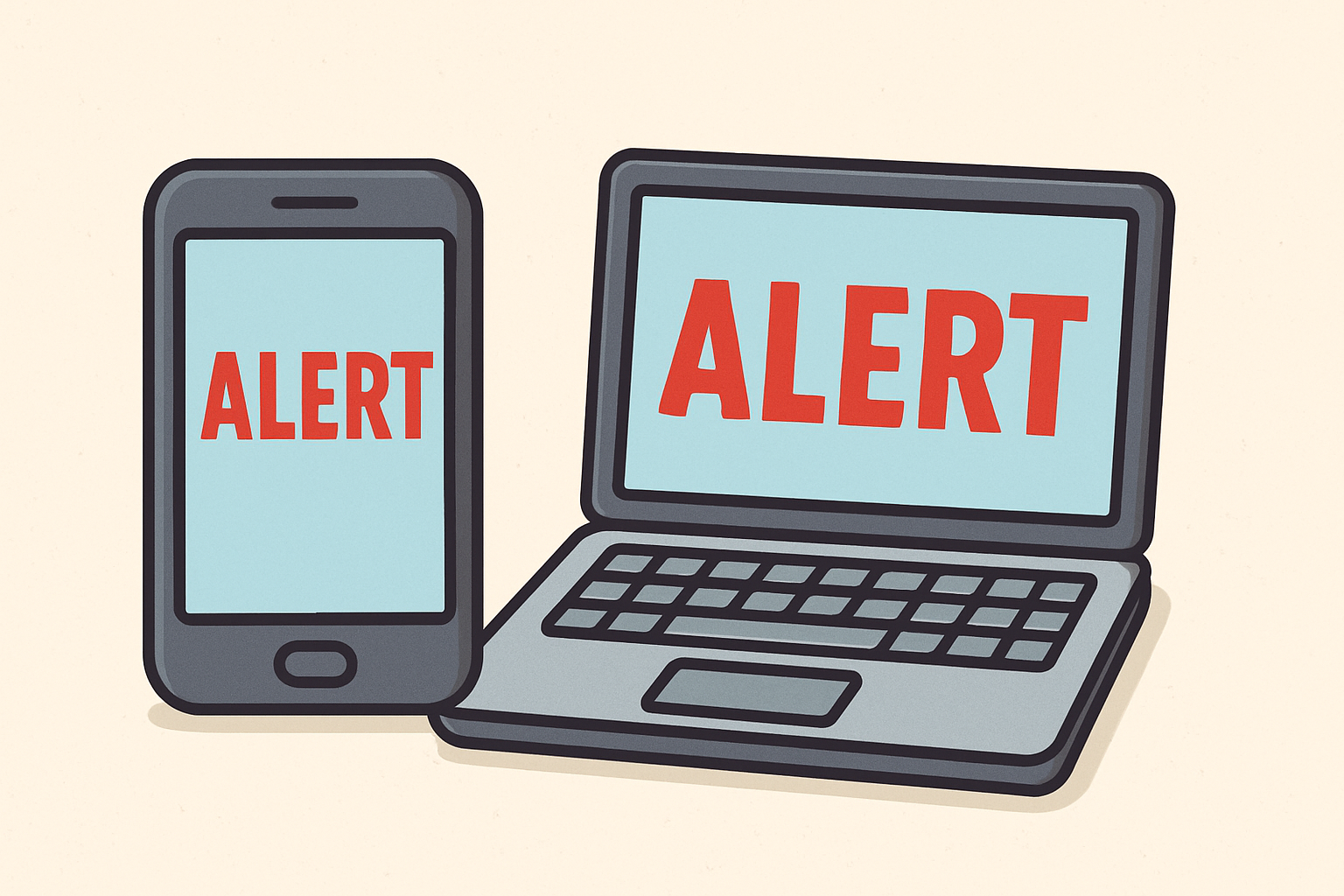
Keeping yourself and elderly loved ones safe from scams takes some proactive steps, but it’s totally do-able. Consider using call-blocking services on your phone or setting up scam alerts so those pesky robocalls or suspicious messages never reach you in the first place.
It can also be super helpful to have open chats about money within your family. Create a safe space and a comfortable setting to discuss finances and any potential threats you have experienced or may encounter. Open dialogue is key in catching a scam attempt early on.
Putting together a checklist can make a world of difference. Regularly go over it to review financial activities or any tech tools that may be used. This practice can catch anything fishy before it causes real damage. Making these protective measures part of your routine can offer peace of mind for everyone involved. The more layers of security you build, the harder you make it for scammers to break through.
Building A Secure Environment
Regular check-ins with family and trusted friends are crucial. It’s not just about catching up; it’s about watching for any signs of scams or unusual activities. Keep an eye on any unexpected bills or strange transactions. These might be the first signs something shady is going on.
Encourage open communication so everyone feels free to speak up about any interactions that feel off. Everyone needs someone they can trust to help decipher what’s real and what’s a potential scam.
Updating house tech, like phones and computers when needed, is important. Outdated security can make it easier for fraudsters to slip through the cracks. Make sure everything’s up-to-date to protect against digital threats.
Long-term safety isn’t a one-time deal; it’s an ongoing commitment to create a safe, scam-free environment. With these strategies, seniors and all vulnerable persons will feel secure and supported and enjoy their experience using technology.