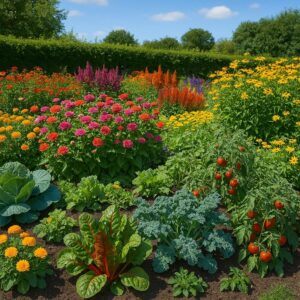
Throughout my adult life, I never had the time or opportunity to care for a garden – which is really too bad. I watched, and still watch a good friend and neighbor work in her garden every spring through fall. Rows upon rows of fresh flowers, vegetables and fruit. It seems like a lot of work to me, but the look on her face when someone asks for a flower arrangement for a special occasion, or the compliments she receives when fresh veggies are served for dinner, are priceless. And, as I have recently learned, besides reaping the beautiful and edible rewards of having a garden, there are other health benefits to gain from digging in the dirt.
Gardening offers a unique blend of relaxation, exercise, and creative expression. It’s an ideal hobby that allows for flexibility, enjoyment, and beneficial physical activity without the need for intense exertion.
Boosting Mental and Physical Health through Gardening
The link between gardening and healthy aging is well documented. When seniors engage in gardening, they aren’t just planting seeds in the soil, but also sowing seeds for a healthier lifestyle. Many studies highlight the positive effects of gardening on mental well-being, including reduced anxiety and stress. For instance, a report from the Mental Health Foundation suggests that being in nature can significantly lift moods and improve mental health.
There’s something incredibly calming about the rhythmic tasks of planting, watering, and watching life bloom before your eyes. It’s like meditation, only with more earth and a healthy dose of sunlight.
Being part of a community garden can also offer an excellent chance to connect with others who share the same hobby. Seniors can build new friendships and develop a strong sense of belonging through this shared interest, which is crucial for mental health. Plus, sharing tips, trading plant cuttings, and just having a chat about how the tomatoes are coming along can be genuinely rewarding. Just an hour or so spent between the flower beds or veggie patches can leave you feeling more balanced and at peace.
On the physical side, gardening serves as a mild but effective form of exercise. All the digging, planting and watering, helps improve mobility, strength, and coordination, especially as it involves tasks like stretching, bending, and kneeling. It’s a workout that doesn’t feel like exercise but definitely counts!
The National Institute on Aging even recommends gardening as a way to meet physical activity guidelines for older adults. And, according to the Centers for Disease Control and Prevention, gardening burns calories, and regular gardening helps lower the risk of obesity, high blood pressure, and diabetes.
The Best Types of Gardens for Those Just Starting
Starting your gardening journey can be as easy as picking the right type of garden. It’s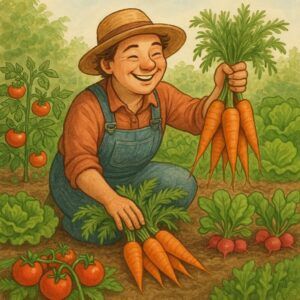 important to consider factors like space, effort, and personal interest when deciding which type of garden to begin with. For seniors looking to ease into gardening as a hobby, a vegetable garden stands out as particularly beginner-friendly.
Vegetables don’t just bring tasty rewards but also provide a great platform to learn the basics of gardening. Imagine picking fresh tomatoes or herbs right from your garden and adding them straight to your meals. Plus, they offer an excellent opportunity to experiment with different plants and see what works best in your local climate. If possible, consider starting with easy-to-grow plants like radishes or lettuce. They’re forgiving if you forget to water now and then or if the weather throws you a curveball with a surprise frost.
If you are really keen on having a garden but space is limited, container gardens are the way to go. They’re perfect for balconies or patios and are surprisingly low maintenance. Containers are also movable, letting you chase the sun or move plants into shade as needed. This flexibility is ideal if you want to keep things uncomplicated and avoid plants getting scorched by too much sunlight.
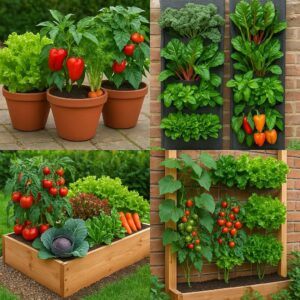 Gardening can also be tailored to be accessible for everyone, even those with mobility issues. Raised beds, container gardens or even vertical gardens might be the way to go if physical comfort and accessibility are top priorities. With these setups, you can position plants at a height that’s comfortable without needing to bend down or kneel, reducing strain on your back and knees.
As a bonus, raised beds often warm up faster in spring, giving your new plants a head start. Innovative gardening tools like long-handled trowels or knee pads can ease physical strain, making gardening more enjoyable and less of a chore.
If you’re worried that mobility aids such as wheelchairs or walkers will hinder your quest to become a hobby gardener, consider installing wider paths between rows – enough to ensure everyone can bask in the garden’s tranquility.
It’s all about setting yourself up for success, and these hardy choices can help you thrive as you explore the joy of gardening.
A Hobby That Grows With You
Whether your goal is to have a full veggie patch or a few potted herbs and flowers, gardening is a rewarding way to enhance mental clarity and maintain physical health. It’s about crafting something beautiful that delights the senses and keeps you active, proving that life just gets greener as we age.
All in all, gardening is a hobby that checks all the right boxes: it’s social, creative, and physical. For seniors looking to keep active, stay engaged, and continue learning well beyond retirement, gardening seems to be the perfect fit.
Reading this piece reminded me of how my own little garden became a sanctuary over the years. I started with just a few herbs and a pot of marigolds, and gradually expanded when I noticed how much more grounded I felt after spending time with soil, water, and sunlight. The quiet moments of tending seedlings became nearly meditative. I also discovered that sharing cuttings and talking plants with neighbors turned gardening into a soft bridge for connection, something especially meaningful as life evolves. Gardening truly teaches patience, presence, and hope, qualities I’ve carried into other parts of life now.
Thank you, Slavisa for sharing your own positive experience with gardening. I do believe many hobby gardeners enjoy a very similar sense of calm.