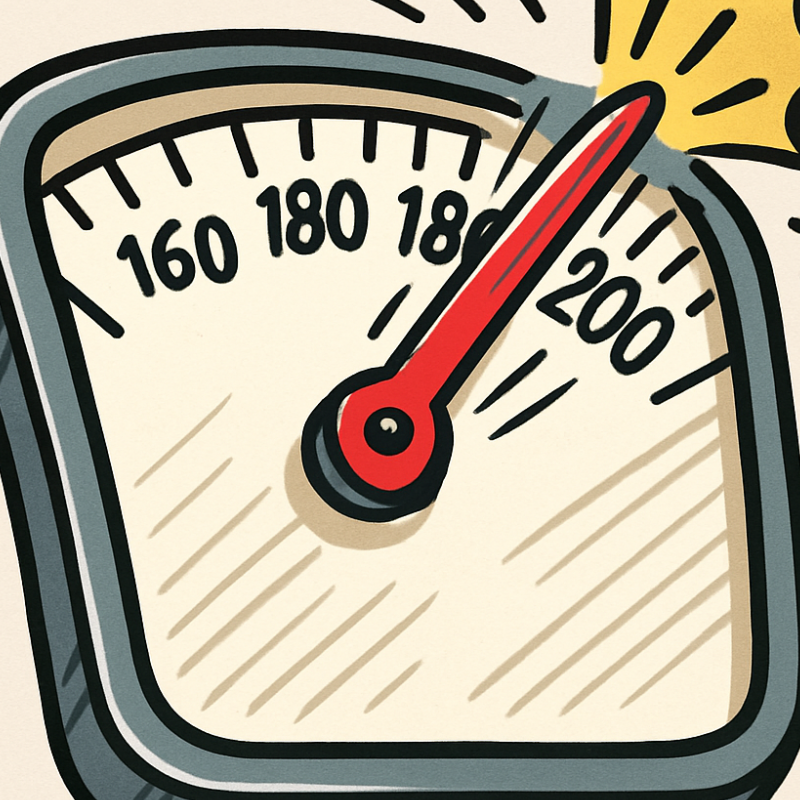
I really don’t mind the whole getting older thing. It’s exciting, like starting another chapter in the great book of life. But… As active as I believe myself to be, what is it with these extra pounds that me and many others over the age of 55 find creepinup around our midsection? And why is it so difficult to get rid of them?
Well, There are a few reasons. It starts with metabolic changes that seem to hit like an unwelcome guest. As we age, our metabolism slows down, which means burning fewer calories than we used to even if we keep up the same activity level. This slowdown can feel like a constant uphill battle against weight gain.
Then, there’s the hormonal shifts that start playing a bigger role. Hormones like insulin and cortisol can affect how our body stores fat and how hungry we feel. These imbalances can often lead to unwanted weight gain or make losing weight a real hassle.
Another culprit is the natural reduction of muscle mass—known in fancy terms as sarcopenia. Less muscle mass means a slower metabolism, and it gets harder to keep up the same muscle-building activities as before.
Now, if that isn’t enough, it isn’t just the physical changes that can affect our weight. The psychological barriers tend to pop up too, with many facing challenges such as lower motivation or the belief that they won’t see results like they might have in their younger years. Addressing these barriers is just as important as tackling the physical ones, offering the right mindset as a powerful ally in the weight loss journey.
Healthy Weight Loss
It’s important to remember, it isn’t just about fitting into your favorite jeans—it’s critical for keeping chronic diseases at bay. Being overweight increases the risk of conditions like heart disease and diabetes, and the benefits of shedding pounds can be tremendously rewarding. A healthier weight lessens these risks, ensuring more golden years full of vitality.
Mobility is another huge factor. Carrying extra weight puts more strain on joints, potentially leading to issues such as arthritis. By managing weight, you can maintain mobility and independence longer, helping you to stay active in life’s most enjoyable activities.
On the mental health side, the benefits of a healthy weight can be profound. Achieving and maintaining a healthy weight can lead to increased confidence, better mood, and a stronger sense of self-efficacy. It’s all about feeling good on the inside and out.
Rapid weight loss strategies might sound tempting, but they’re risky. Opt for sustainable methods that enhance health rather than compromising it. It’s about long-term lifestyle changes over quick fixes, ensuring that the weight stays off and doesn’t bounce back with a vengeance.
Effective Strategies for Weight Loss

Incorporating exercises that focus on strength training is crucial. Building muscle not only helps burn more calories but also combats natural muscle loss. Adding activities like yoga or Pilates can improve flexibility and balance, which are essential as we age.
Crafting a balanced diet comes next. Fill your plate with whole foods – think fruits, vegetables, lean proteins, and whole grains. These provide nutrients without excessive calories. And keep an eye on those portions, because even healthy foods can add up!

Setting realistic goals is key. Aim for gradual weight loss that feels sustainable. Aiming to lose a pound a week is a solid, achievable target that sets you on a steady and healthy path.
Don’t underestimate the power of community support. Join a local fitness group or find a buddy who shares your goals. Professional guidance can also be invaluable; a dietitian or personal trainer can tailor their advice to fit your personal needs, making the journey more manageable.
Evaluating Intermittent Fasting: The Pros and Cons for Those Over 55
I wanted to add this section into this post as intermittent fasting has become a trendy choice for weight loss, but does it work for those over 55? Many find it effective, as it can help reset your eating habits and improve metabolic flexibility. However, by limiting eating hours, you might reduce calorie intake naturally.
Be cautious. With age, body composition and nutritional needs change. Fasting can sometimes lead to missing out on vital nutrients if not planned properly. It’s important to maintain a balanced diet during eating windows.
Remember, every body reacts differently. Some may experience benefits, while others might struggle to adjust. It’s all about personalizing your approach and staying in tune with your body’s signals. Stay informed and consider consulting a healthcare provider if you wish to make intermittent fasting a safe part of your routine.