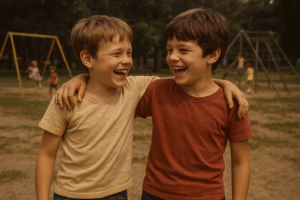
 Do you remember when we were kids how easy it was to make friends? We went to school on the first day after summer break and we were walking home with our new best buddy from that day on – or so it seemed. Then – bam! – life happened, and we’re looking in the mirror combing our greying locks, wondering what happened to that circle friends we hung out with – sometimes for years?
Now, my wife and I attend weddings and birthday parties when invited and we have coffee or dinner with mutual friends occasionally. But I’ve noticed that my circle of friends seems to have shrunk over the years. What happened? Was it one of those, ‘it’s not you – it’s me’ things? Is it normal not to have friends as we age? How does a person meet new friends in their 60’s? That would be like dating again after 35 years of marriage.
I decided to take a closer look at this phenomenon and found out exactly what happened: life.
Many folks notice shifts in their social circles as they age, and it’s completely normal. As life changes, so do our friendships. Not everyone stays by our side through the different phases of life – that’s just part of being human.
People move, jobs change, family demands grow and sometimes interests simply drift apart. It’s not unusual for people over 55 to find themselves with fewer friends than before.
Factors like retirement, loss of a loved one, or health issues can also contribute to the shrinking of one’s social circle. These transitions often require an adjustment period, but they can also open doors to new friendships and opportunities – if you’re willing to step out of your comfort zone.
So, is it normal not to have friends as we age? Yes, it can be. But while fewer friendships might be expected, isolation should be addressed. According to a study by Holt-Lunstad et al., social connections are crucial to mental and physical well-being. Finding new avenues to make connections is vital.
It’s also important to embrace the idea that friendships evolve. Not every friend is meant to stay forever – and that’s okay. By understanding these changes, we can better navigate the social landscape at any age.
Joining Clubs and Groups
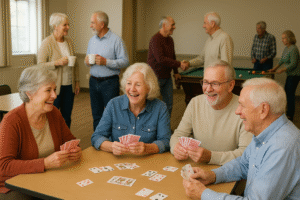
Getting involved in clubs and local groups can be a real game-changer if you’re looking to widen your social circle. Whether it’s a book club, gardening group, or exercise class, these spaces are fantastic for meeting like-minded people.
Clubs and groups provide not just activities but also a sense of community. Many people find lifelong friends in these settings because they’re based on shared interests. It’s way easier to strike up a conversation when you’ve got something in common right off the start.
When looking to join a group, think about what excites you. Are you passionate about, painting, hiking, volunteering? Whatever it may be, there’s a group out there for you. Libraries and community centers often host various club activities suitable for the 55+ crowd, so check out local listings or even online platforms for opportunities in your area.
Being part of a group isn’t just about fighting loneliness; it’s also about staying mentally and physically active. According to the Mayo Clinic, socializing in these ways can help boost brain health and improve overall well-being. Joining a club not only enriches your social life but also adds a new dimension to your routine, helping you stay engaged and mentally sharp.
Testing out different groups might seem daunting, but it’s a great way to explore new interests and skills. Plus, most people are in the same boat – hoping to make new connections.
The Challenges and Rewards of Building Deep Friendships Later in Life
As we age, building genuine friendships can feel a bit more complex than it did back in the day. Childhood friendships often form naturally through shared experiences like school and playtime, making them feel effortless in retrospect. Adult life, however, requires more intention.
In this stage of life, the landscape of friendships shifts. With maturity, people develop different priorities and schedules, making spontaneous hangouts less common. This can make forming tight bonds more challenging. Still, the friendships you create later in life can be deeply rewarding and fulfilling—they just demand a little more effort.
A key to nurturing these meaningful connections is being proactive. Be the one to reach out first. Invite someone to coffee or suggest a regular meetup—sometimes, all it takes is that first step. According to a study in the Journal of Social and Personal Relationships, regular interaction is crucial in solidifying new friendships.
Don’t let geographic distance be a barrier, either. Technology today provides countless ways to keep in touch—from video calls to social media, staying connected can fit into even the busiest schedules. Just like with any friendship, communication is key.
Above all, value quality over quantity. Having a handful of true friends who understand and support you is far more meaningful than a large number of shallow connections. Be open, honest, and invest genuine time and care into your relationships to build lasting bonds.
Remember, it’s never too late to form new friendships. While it can take time and effort, the deep connections made during later years can enrich life and contribute to greater happiness and fulfillment.
Building a social circle later in life feels different than when we were younger, but I actually find it more rewarding. Connections tend to be deeper and based on genuine interests rather than convenience. I think the key is staying open-minded and willing to step outside of old routines, even if it feels uncomfortable at first.
I agree, Slavisa. I too find it very rewarding to find new friends today vs my younger years. Maturity plays a huge role.
This really resonated with me—it’s so true how friendships shift as life changes. I like the reminder that fewer friends doesn’t mean less value, and that building new connections later in life can actually be deeply rewarding. Do you think joining clubs is the most effective way to meet people in your 60s, or have you found other approaches that work well too? And how do you balance the effort of making new friends with appreciating the quieter, smaller circle we often have as we age?
Hi Letsret. I do believe joining a club or organization is a very effective way to meet people.Not only to meet friends but to possibly take up a new hobby or find a renewed purpose. Finding a balance would be a personal preference. Some people crave larger social groups while others are quite content with a smaller group of friends.
This article is thoughtful, relatable, and useful, especially for its target audience—people over 55 who might feel their social circles shrinking. It balances empathy, reflection, and practical advice really well. The personal anecdotes make it feel authentic, and the acknowledgment that friendships naturally evolve with age is comforting rather than discouraging.
I also like that it doesn’t just dwell on the problem—it gives actionable strategies, like joining clubs, exploring shared interests, and using technology to stay connected. It encourages readers to be proactive, emphasizing quality over quantity in friendships, which is realistic and encouraging.
Thank you, Vladimir. I really appreciate your comments.
I really appreciate this perspective, Kevin. You hit the nail on the head, it is normal for circles to shrink as we get older, but it doesn’t mean we have to accept isolation. In my own experience, friendships after 55 take more intention than they did when we were kids, but they’re often richer because of the life experience and empathy we bring to the table.
Joining groups or volunteering has been huge for me. Not only do you meet like-minded people, but you also create shared experiences, which is the glue that really bonds friendships. I’ve also noticed that technology bridges the gap when distance is an issue, video calls, group chats, or even online communities can keep connections strong.
At the end of the day, it’s about quality over quantity. Even a handful of meaningful friendships can make all the difference for mental, emotional, and even physical health. Thanks for raising such an important topic, many people need the reminder that it’s never too late to build genuine connections.
Thank you for your great comments, Jason and for sharing your personal experience in regards to this topic.