After receiving some great comments and some really good questions regarding a previous post about sleep habits (Getting Quality Sleep), I decided to follow it up with another post on a related topic; Relaxation Techniques.
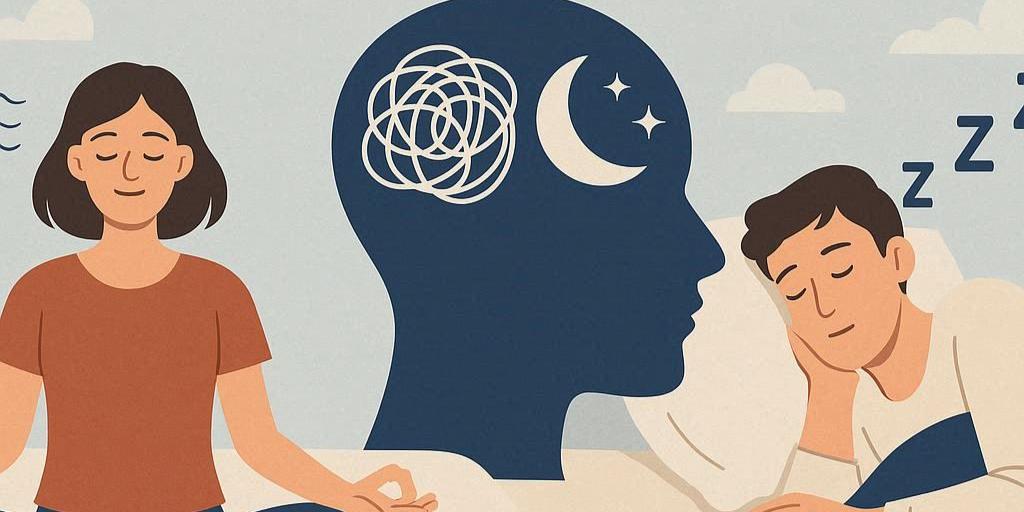
According to MayoClinic.org, it’s recommended that adults get at least 7 hours of sleep each night. Unfortunately, those with anxiety and sleep disorders will tell you, these sleep issues are like uninvited guests that just won’t leave. They mess with your peace and can take a serious toll on daily life. From tossing and turning at night to that dreaded anxious feeling that just won’t quit, it’s a cycle that plays out for many. This cycle leaves you dragging through the next day, and before you know it, you’re caught in a loop of anxiety feeding sleeplessness and vice-versa.
Let’s face it, in our fast-paced, information- filled world, we are learning more and more about these issues and others, and they have become as common as morning coffee.
This post is all about helping you take back control using some effective relaxation techniques as your secret weapon. Think of these methods as your personal reset button — simple, but loaded with the power to silence the chaos. To be honest, I haven’t tried all these techniques. However, I will gladly walk through them with you so I can learn as well. These are professed to be incredible techniques that not only soothe anxious minds but also pave the way for deeper, more restful sleep. It’s my hope we can all find the technique(s) that work best for us. Let’s gear up for some serious relaxation.
Effective Relaxation Techniques to Combat Anxiety and Improve Sleep
Aromatherapy is like bringing the spa to you, minus the hefty price tag. Essential oils like lavender, chamomile, and ylang-ylang can fill your space with calm vibes. These scents aren’t just about smelling nice—they interact with your body to promote relaxation and better sleep. Consider a diffuser, or maybe just a few drops on your pillow to create a serene environment.
Breathing exercises are like an off-switch for anxiety. When everything feels like it’s in overdrive, practices like the 4-7-8 technique, one of my favorites, to help your mind focus and your body to chill. It’s pretty straightforward: breathe in for four seconds, hold for seven, and exhale slowly for eight. Repeat a few times, and you’ll likely feel the tension slide away.
Physical exercise, often underrated, it is a game-changer for mental health. Even a daily 30-minute walk or a bit of yoga can significantly reduce stress levels. It’s all about getting your body moving and those feel-good endorphins flowing, making both your mind and body thank you later.
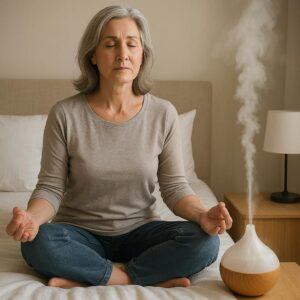
Meditation offers a direct line to tranquility. This could be mindfulness meditation – focusing on your breath or body sensations or guided visualizations – a very calming voice talking you through deep relaxation. Both of these practices help redirect stray thoughts and promote mental clarity.
Tackling these issues with technology means apps can be your new best friend in finding that state of profound calm and peacefulness many of us are looking for. Apps such as Calm, Headspace, and Insight Timer offer a variety of sessions aimed at stress relief and promoting better sleep as well as other concerns. The Breethe app, combines meditation with music and stories, a mix that can weave an incredible calm around you. All these options, are available at your finger tips, whether you only have two minutes or twenty.
The Path to Serenity
Stitching these relaxation routines into the fabric of your day can be a game-changer. There’s a transformative power in just taking a few moments daily to press pause on life’s demands. This isn’t about an overnight miracle but rather nurturing a practice that bears fruit over time.
Starting small – like breathing exercises during your lunch break or a brief meditation session before bed – offers a solid foundation. As these habits grow, so will the positive effects on your mind and body. Again, it’s all about consistency and gradually building these practices into your routine—no need to rush it. Let them fit naturally into your life.
If the struggle with anxiety or sleep issues seems relentless, contacting a professional can provide the tailored support you might need. Putting these techniques in to practice as well as having expert guidance, will ensure you’re not tackling everything alone.
A sharper mind, better rest, and a balanced lifestyle can ripple through other areas of your life, bringing benefits you might not even anticipate. Remember, it’s about progress, not perfection – so embrace the journey towards a more serene mind and better sleep.
Just as a note; I tried a couple of the above mentioned meditation apps while doing the research for this article. Wow – powerful stuff! Within minutes I could feel my body and mind relaxing into a very peacful state. I’m thinking this may be a new daily routine for me.
I appreciate how this discussion bridges anxiety and sleep challenges with tangible relaxation methods, especially pointing out the disruption of “uninvited guests” like racing thoughts and restlessness. Could you share which techniques you’ve seen most effective for those who feel overwhelmed by anxious thoughts at night? For example, do you find guided imagery or progressive muscle relaxation resonates more with readers struggling to quiet their mind? Also, have you noticed any difference in effectiveness when combining methods, like pairing breathing exercises with gentle visualizations?
Hi Slavisa;
Thank you for your comments and great questions. I am by no means an expert on this topic however, it is of great interest to me. This is what I found in my research:
What readers often report back:
Many say guided imagery works best when they’re restless and their thoughts won’t stop.
PMR works best when they’re tense, achy, or “wired” physically.
Combining breathwork with either seems to amplify results—like giving the nervous system a double signal to “stand down.”
True relaxation is more than a pause—it’s a recalibration. As someone who guides women through rituals of self-worth and energetic alignment, I’ve found that pairing breathwork with intentional movement (like Zumba or moonlit stretching) and crystal-supported meditation creates a sanctuary for both sleep and emotional clarity. Thank you for sharing tools that honor rest as a form of resilience. When we ritualize stillness, we don’t just soothe anxiety—we reclaim our power